



Help CleanTechnica’s work via a Substack subscription, on Patreon, or on Stripe. Assist us produce the entire high-quality, unique content material we publish week after week regardless of the challenges of content-scraping AI, delinquent media, inflation, and different hurdles.
Diesel Prices Excessive, Freight Electrification Too Gradual
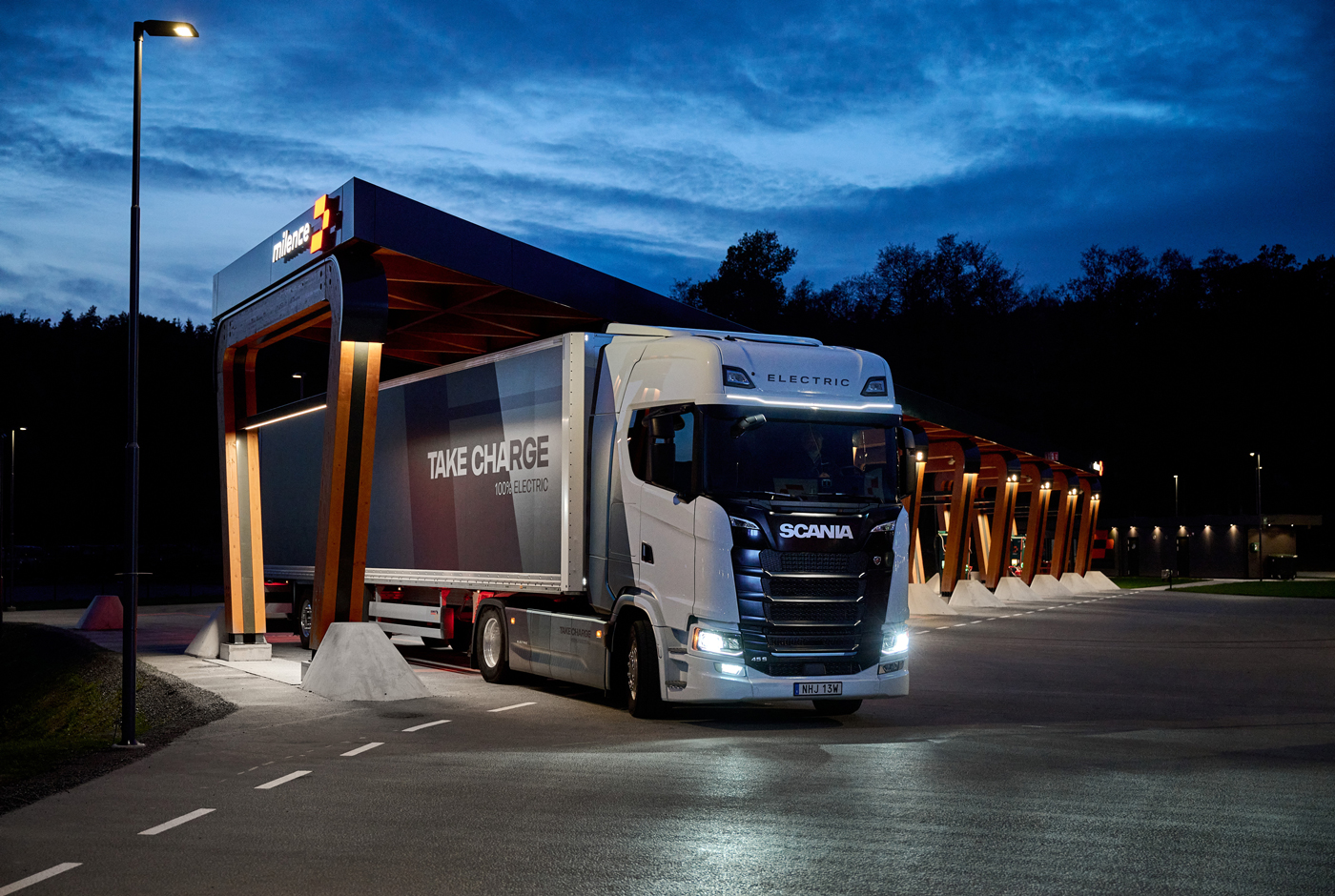
Europe is having a tough time currently, with skyrocketing oil costs dampening economies. Gas prices, notably diesel, are prompting surging curiosity in truck electrification. Europe has been urging truck makers to maneuver towards electrical trucking, and so they have responded with quite a lot of electrical semi vans from many producers. Europe is a gaggle of sovereign international locations with many requirements. The European Union is a political and financial union of 27 states in that space. It issued directives urging motion and imposing penalties. In response to European Union directives, corporations have shaped EV100, a coalition of firms responding to the necessity. In a current story, Steve Hanley wrote about European electrical truck makers’ difficulties increasing truck electrification. Right here’s a citation from the story: “In a letter to EU Fee president Ursula von der Leyen, of major concern, of their estimation, is increasing the charging infrastructure for heavy-duty vans in Europe.” There isn’t any scarcity of electrical vans in Europe. Enlargement might go quicker have been it not for charging infrastructure. Producers complain about “an alarming delay” in situations wanted to drive market uptake. For Europe, truck electrification isn’t working in addition to in China, the place over 90% of the world’s electrical vans reside. The variations between China and the EU present some the explanation why truck electrification is slower in Europe. How did China succeed the place the EU failed? China made electrical vans a freight system, not a automobile class.
Transport Planning Accelerates Electrical Trucking Infrastructure
Energy is a significant factor in electrical grid infrastructure. Charging electrical vans locations calls for on energy. Peak energy determines how a lot infrastructure is important. In grid planning, peak annual energy determines how a lot capital tools is important. Lowering peak energy demand is a essential issue for electrical truck infrastructure. Determine 1 reveals one technique of decreasing energy known as route stuffing. It schedules departures on heavy site visitors corridors at frequently spaced intervals. Corridors like ones between ports and warehouses are a goal for these practices. These corridors typically route vans in a spherical journey chain. Filling routes with scheduled journeys can cut back energy demand in comparison with random journey scheduling. The article Battery Swap Makes use of Fewer Batteries Than You Assume is dedicated to strategies of study and planning that may result in decrease peak energy demand. There are different advantages to planning, reminiscent of higher truck load capability from the identical quantity of batteries. A part of the answer to sluggish electrical truck infrastructure improvement is to plan infrastructure and truck use practices to cut back the charging energy burden. Given the urgent and enduring want because of the diesel gasoline value disaster, it’s essential to reprioritize grid energy improve calls for. Calls for for knowledge heart energy upgrades like transformers for substations ought to be re shuffled and prioritized towards the diesel disaster.

For Freight Techniques, Charging is Not An Afterthought. Might Swap Assist?
In two articles, Michael Barnard outlined the problems. Automobiles are usually not a transportation system. What does Europe have now? It has an EU Fee interacting with a coalition, EV100. The issue is, there are many vans obtainable, however who’s answerable for infrastructure? You’ll be able to’t have electrical vans with out technique of charging, however because the coalition complains, “Vital enhancements to charging infrastructure, a discount in carbon dioxide based mostly tolls, and a coherent coverage framework are urgently wanted.” There are such a lot of stakeholders — together with the fee, autos makers, and charging corporations throughout a number of international locations — that nobody is answerable for infrastructure, and with out it, nothing strikes. It wants a unity of function and motion.
If China is succeeding, why not undertake its technique? Maybe the reply is true in entrance of everybody’s nostril. As Michael places it, “the coverage connects autos to corridors, depots, service areas, grids and freight use instances as a substitute of treating gross sales targets as adequate.” CATL provided Europe a system, not a automobile. It is a “flip key” resolution. It’s a effectively thought out system, together with use of strategies and practices, not an something goes free-for-all. That type of stability and predictability is what EV100 leaders are searching for. This isn’t a swap-or-nothing situation. Totally different methods apply to varied use instances. Swap have to be deliberate for high-use freight corridors and different correct purposes. Swap vans may also quick cost or sluggish cost, offering flexibility and a system of vans that features smaller vans, not simply semis.
What does all this need to do with Europe’s slowly advancing infrastructure? Merely put, electrical vans put heavy charging calls for on the grid. Vans can have megawatt-hour batteries that require megawatt energy charging to cost in an hour. Lowering grid energy calls for can cut back grid infrastructure improve prices, and leverage capital funding towards quicker implementation.
“The method of getting megawatt charging tools related to the grid can take a number of years, delaying deployment even the place operators and infrastructure suppliers are prepared to speculate.” The necessity for megawatt charging tools is lowered by accelerating swap community improvement as a substitute of mounted battery vans that have to be charged by quick chargers. “Swaptopus is straightforward to misinterpret as a unusual title for one more electric-truck infrastructure challenge. It’s a newly shaped three way partnership between Octopus Vitality and CATL, created to develop automated battery-swapping hubs for heavy vans throughout Europe.” In contrast to the federal government of China that performed a task in encouraging requirements and cooperation in infrastructure, Europe has a looser association between many international locations with varied requirements. Europe is studying the sluggish, laborious approach the place battery swapping is most wanted.
Each truck utility has completely different optimization. It implies that there have to be completely different approaches to suit freight operations in heavy site visitors corridors. Quoting Michael Barnard, “Freight operators typically run repeated routes between ports, factories, distribution centres and logistics hubs. These patterns present recognized site visitors, recognized stopping factors and comparatively predictable electrical energy demand. A swap hub may be positioned round an current freight circulate as a substitute of hoping that sufficient unrelated vans ultimately move via.”
Freight corridors are a situation made to order for battery swap. Actual trucking options embody a mixture of automobile and infrastructure varieties — from small, native supply, to massive, long-haul freight; and from sluggish, in a single day charging, to medium energy charging and battery swap — all utilized in live performance to speed up heavy truck electrification. With all kinds of charging choices, and autos and charging use instances focused in coordination to keep away from peak energy calls for, the trail ahead is eased. Faculty buses don’t want costly high-power quick charging. Decrease-power chargers can do the trick. Native supply can use a mixture of in a single day and medium energy charging. Heavy truck dispatch have to be extra rigorously coordinated to keep away from peak demand and grid improve prices. A mixture of medium-power charging and swap stations together with deliberate use instances can efficiently decrease electrical freight energy wants and transport system capital bills to hurry transport electrification.
Conclusion
Transformation and conversion of diesel freight programs to electrical requires coordination and planning between authorities businesses and coalitions of firms, cities, authorities businesses, and planners. Transportation is a system fundamental to societies and economics. Coordination between teams in any respect ranges ends in practices, use instances, and infrastructure that produce advantages for all. Grid enlargement and building can take years. To ensure that Europe to implement truck freight electrification, extra construction and planning is required to reduce grid energy necessities, velocity implementation, and maximize capital funding outcomes. Transportation system, practices, and infrastructure have to be deliberate for optimum outcomes.
Join CleanTechnica’s Weekly Substack for Zach and Scott’s in-depth analyses and excessive degree summaries, join our day by day publication, and observe us on Google Information!
Have a tip for CleanTechnica? Need to promote? Need to recommend a visitor for our CleanTech Speak podcast? Contact us right here.
Join our day by day publication for 10–15 new cleantech tales a day. Or join our weekly one on prime tales of the week if day by day is simply too frequent.


CleanTechnica makes use of affiliate hyperlinks. See our coverage right here.
CleanTechnica’s Remark Coverage
